Understanding the Importance of a Typhoid Test
Typhoid fever is a life-threatening infection caused by Salmonella Typhi, often spreading through unsafe water or contaminated food. Left untreated, it can lead to severe complications in the intestines and other organs. The safest way to confirm typhoid is through a typhoid test—quick, reliable, and life-saving when done on time.
Because typhoid shares symptoms with other infections, a test is the most reliable way to confirm the illness. In this guide, we will walk you through everything you need to know about the test, from symptoms to watch for to the different test types available, and how to prepare for testing.
Symptoms That Indicate a Typhoid Test
Typhoid fever doesn’t always present immediate or severe symptoms, which makes diagnosis tricky in some cases. However, the signs usually appear within one to three weeks after exposure. You should take note of the following symptoms:
- A high, sustained fever (often rising gradually)
- Headaches and general discomfort
- Fatigue or a sense of body weakness
- Constipation or diarrhea
- Abdominal pain or cramps
- Loss of appetite or sudden weight loss
Although these signs may resemble the flu or stomach infections, they should not be ignored. If symptoms persist for more than a couple of days, a typhoid test is highly recommended. Early testing leads to quicker recovery and helps stop the disease from spreading to others. Learn more.
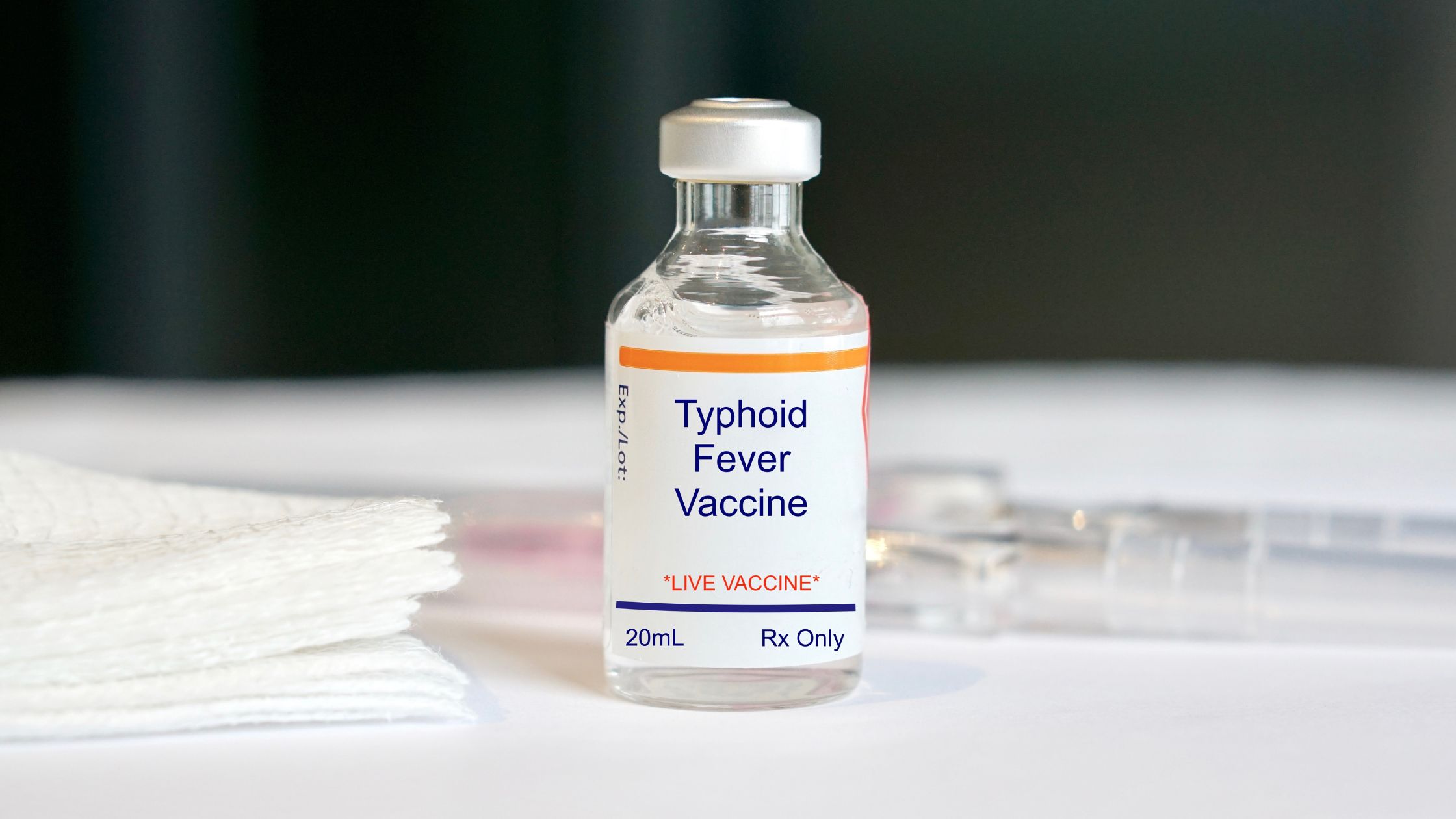
Types of Typhoid Tests
Medical professionals use several types of tests to diagnose typhoid. Each test has its strengths, and the choice often depends on the stage of the illness and available resources. Here are the most commonly used diagnostic methods:
1. Widal Test
This is a traditional blood test that detects antibodies against the Salmonella Typhi bacteria. While affordable and widely used, it may produce false positives or negatives, especially in early stages or after vaccination.
2. Typhidot Test
The Typhidot test provides quicker results and detects specific IgM and IgG antibodies in the patient’s blood. It is often used for rapid screening and offers greater reliability than the Widal test.
3. Blood Culture Test
Considered the most accurate method, blood culture identifies the actual bacteria in the bloodstream. Although it may take up to 48 hours for results, it helps doctors determine the right antibiotic treatment.
4. Stool and Urine Cultures
These tests are sometimes used to support diagnosis, especially if blood tests are inconclusive. They are more effective during the later stages of the illness.
Your doctor may recommend more than one test to ensure a reliable diagnosis, especially if you have severe or ongoing symptoms.
When Should You Get a Typhoid Test?
You should take a typhoid test if you experience the symptoms listed earlier, especially after traveling to areas with known outbreaks. People working in food services, childcare, or healthcare are also advised to test quickly to avoid infecting others.
In addition, children, seniors, and individuals with compromised immune systems face a higher risk of complications from typhoid fever. Because of this, early detection plays a vital role in protecting their health. If someone in your household is diagnosed with typhoid, others should get tested too, even if they do not show symptoms.
How to Prepare for the Test
Preparing for a typhoid test is usually simple, as most tests, including the Widal and Typhidot, do not require fasting. However, you should still follow any specific instructions provided by your healthcare provider or diagnostic center.
Here are a few things to keep in mind:
- Inform your doctor about ongoing medications and recent vaccinations
- Stay hydrated before the test
- Arrive at the lab or clinic on time to avoid delays
- Ask about when and how you will receive the results
By staying informed and following medical guidance, you can make the testing process smooth and stress-free.
Why Early Testing Matters
The earlier you test, the faster you can:
- Start effective antibiotic treatment
- Prevent serious intestinal complications
- Stop spreading the infection to others
- Recover fully without relapse
Don’t wait. Book your Typhoid Test with Salus Clinics today and protect your health before it’s too late.
Conclusion
Typhoid fever is preventable and treatable, but only if diagnosed early. Getting a typhoid test helps you take charge of your health and prevents the infection from spreading to others. Whether you’re experiencing symptoms or seeking peace of mind after potential exposure, testing is a critical first step.
For accurate and reliable typhoid testing, trust the expert services at Salus Clinics & Diagnostics. Their professional team ensures a smooth and comfortable diagnostic experience every time.
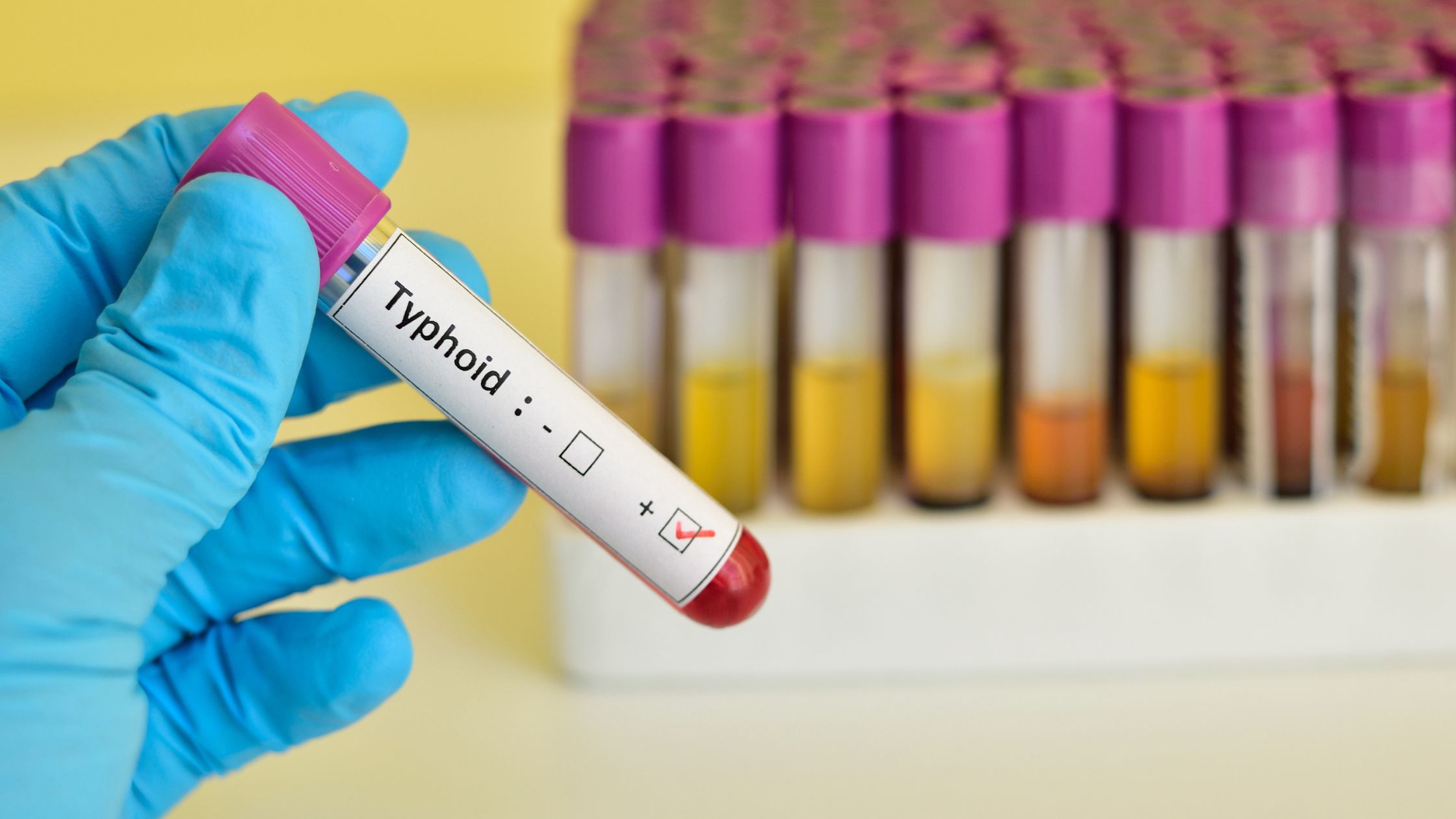
Frequently Asked Questions (FAQs)
- Is a typhoid test painful?
No, the test usually involves a simple blood draw or sample collection and causes minimal discomfort.
- How quickly will I get results?
Rapid tests like Typhidot may provide results within a few hours, while blood cultures can take up to 48 hours.
- Can I test for typhoid at home?
While some rapid test kits are available, lab-based tests offer higher accuracy and are recommended for diagnosis.
- What happens if I test positive?
Your doctor will prescribe antibiotics and may recommend supportive care. It’s important to complete the full course of treatment to avoid relapse.