
Nursing Care Plan for Hypertension in Pregnancy: Goals, Interventions, and Patient Support
Controlling high blood pressure during pregnancy is an essential part of maternal healthcare. A nursing care plan for hypertension in pregnancy offers a structured and organized approach to protect both the mother and the baby. This type of plan focuses on careful assessment, regular monitoring, targeted interventions, and continuous evaluation to manage elevated blood pressure safely and effectively. In this article, we will explore the main elements of a nursing care plan and explain how healthcare professionals use it to support a healthy pregnancy journey.
1. Understanding Hypertension in Pregnancy
Hypertension in pregnancy occurs when a woman develops high blood pressure that can affect her health and the baby’s well-being. This condition may appear as gestational hypertension or progress into more severe forms such as preeclampsia. Since uncontrolled blood pressure increases the risk of complications like preterm delivery, placental problems, or even stroke, nurses play a vital role in early detection and management. A nursing care plan for hypertension in pregnancy provides a clear framework that ensures consistent care, reduces risks, and promotes safety for both mother and child. Learn more about tools to create care plans for hypertension.
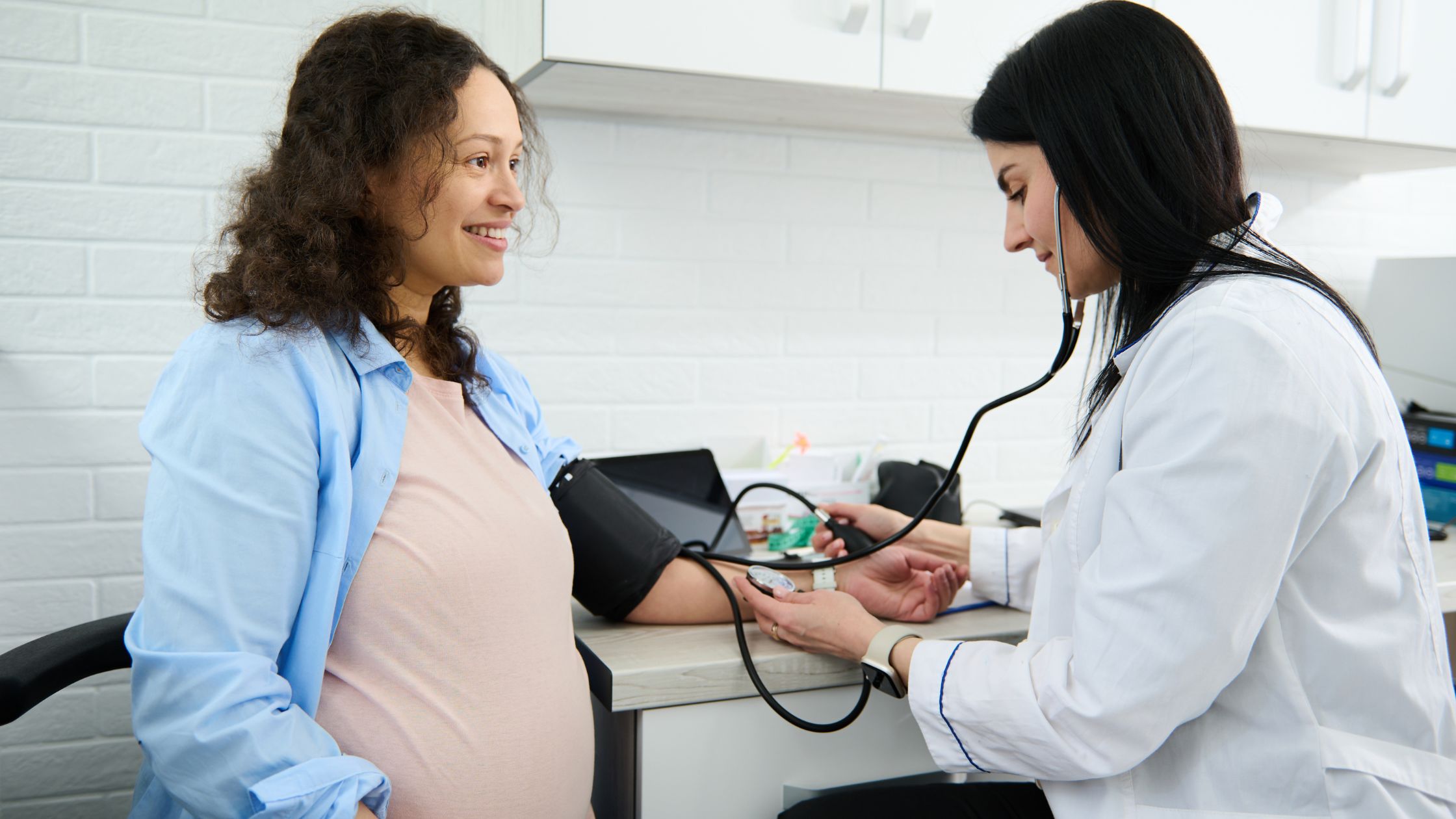
2. Why Nursing Care Plans Matter
A nursing care plan for hypertension in pregnancy provides a structured approach that ensures safe and consistent care throughout the pregnancy. It helps nurses carry out systematic assessments of blood pressure and related symptoms. In addition, the plan outlines clear interventions and timelines to manage risks effectively.
It also encourages collaboration with the wider healthcare team—including obstetricians, diagnostic specialists, and nutrition experts—so that every aspect of care works together. As a result, the approach shifts from being reactive to proactive, leading to healthier outcomes for both mother and baby.
3. Key Nursing Diagnoses & Goals
Within a nursing care plan for hypertension in pregnancy, nurses usually focus on specific diagnoses and related goals to guide care:
-
Elevated blood pressure
Maintaining blood pressure within a safe range is essential to lowering the risk of complications like heart disease and stroke. Regular monitoring helps achieve this goal.
-
Risk for maternal-fetal complications
Identifying and preventing potential issues, such as preterm labor or placental problems, through regular check-ups is crucial for improving outcomes for both mother and baby.
-
Anxiety and limited knowledge
Provide education and reassurance so the mother feels confident, informed, and actively engaged in her care, empowering her to make informed decisions.
4. Nursing Interventions & Actions
Nurses carry out a nursing care plan for hypertension in pregnancy through a series of focused interventions:
- Monitor blood pressure regularly using proper technique and positioning to track patterns and detect concerns early.
- Evaluate maternal symptoms such as headaches, blurred vision, or swelling, since these may indicate worsening hypertension or signs of preeclampsia.
III. Coordinate diagnostic tests, including urine protein checks and Doppler studies, to monitor progress and adjust the care plan as needed.
- Administer prescribed antihypertensive medications and observed the mother’s response closely, noting any side effects or changes in blood pressure.
- Encourage rest and stress management, because a calm environment and supportive care help stabilize blood pressure and improve outcomes.
- Promote balanced hydration and nutrition, with mindful guidance on salt intake, to support maternal well-being and healthy placental function.
5. Monitoring and Evaluation
To complete a nursing care plan for hypertension in pregnancy, nurses use clear evaluation steps to measure progress and guide adjustments:
- Monitor blood pressure patterns consistently to confirm stability or make timely changes to treatment.
- Review laboratory and diagnostic findings with the healthcare team, ensuring the care plan stays updated with accurate information.
- Evaluate fetal well-being by checking heart rate and movement, so any early signs of stress or compromise can be addressed promptly.
- Collect maternal feedback on comfort, stress levels, and anxiety, allowing nurses to adapt education and emotional support as needed.

Occurs When a Woman Develops High Blood Pressure
6. Patient Education and Lifestyle Support
Education serves as the foundation of every successful nursing care plan for hypertension in pregnancy. Through proper guidance, nurses empower expectant mothers to take an active role in protecting their health and their baby’s well-being:
- Teach accurate home monitoring by demonstrating correct cuff placement and timing, so mothers can confidently track their blood pressure.
- Explain critical warning signs such as sudden swelling, severe headaches, or upper abdominal pain, which signal the need for urgent medical care.
- Promote a balanced, nutrient-rich diet with whole grains, lean proteins, fruits, and vegetables, while emphasizing how hydration and controlled sodium intake affect blood pressure levels.
- Encourage safe physical activity, approved by the obstetric team, to maintain circulation and lower stress.
- Highlight the importance of regular follow-ups, including scheduled appointments, diagnostic tests, and open communication with healthcare providers.
7. Integrating Holistic Care
Comprehensive care strengthens every nursing care plan for hypertension in pregnancy. A multidisciplinary approach ensures that both mother and baby receive the safest, most effective support:
- Collaborate with specialists such as nutritionists, general practitioners, and obstetricians to create unified care strategies—particularly when diet or other chronic conditions impact blood pressure.
- Utilize advanced diagnostic services, including laboratory testing and ECGs, to monitor blood pressure accurately and detect any related cardiac
- Offer compassionate support within the clinic setting, where trained staff and a calming environment reduce anxiety and encourage patients to follow their care plans consistently.

Promotes Safety for Both Mother and Child
8. Conclusion
In conclusion, a nursing care plan for hypertension in pregnancy creates a structured and proactive pathway to manage high blood pressure safely during pregnancy. It emphasizes accurate assessment, targeted interventions, continuous monitoring, and patient education—while ensuring collaboration across medical teams.
For expectant mothers looking for advanced, reliable, and empathetic prenatal support, Salus Clinics and Diagnostics provides comprehensive women’s health services, expert practitioners, and state-of-the-art diagnostic facilities. Their patient-first approach ensures that every mother receives seamless care designed to promote a safe and healthy pregnancy journey.