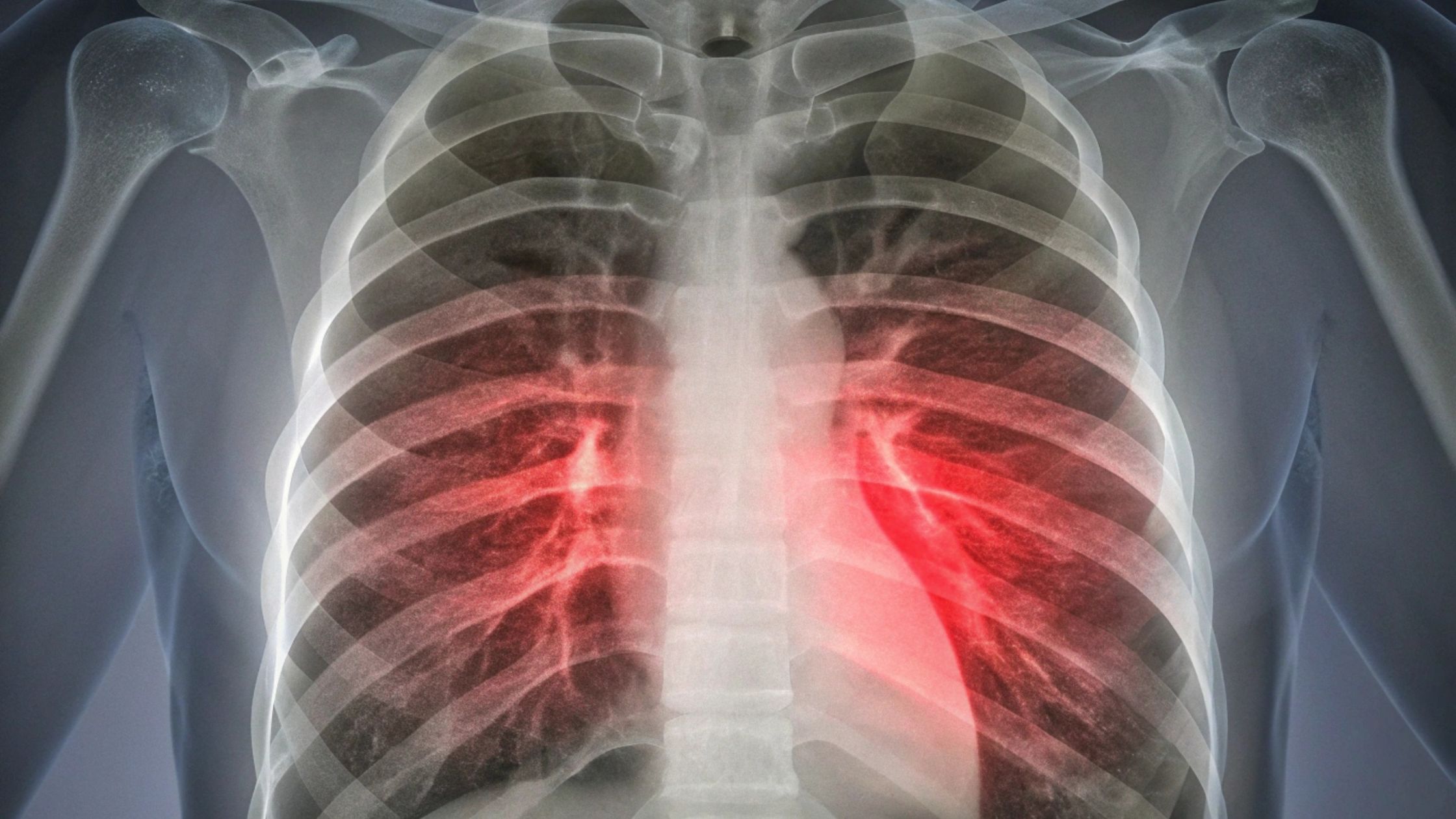
How Pollution and Air Quality Directly Impact Your Lung Health
In today’s rapidly urbanizing world, polluted air has become a significant threat to public health. How pollution and air quality directly impact your lung health is a critical issue that affects millions globally. The rise in industrialization, vehicle emissions, and unregulated waste burning has made it harder to avoid harmful pollutants. These toxins, when inhaled, can have both immediate and long-term effects on the lungs, leading to chronic respiratory conditions and an increased risk of lung diseases.
The Growing Concern: Air Pollution and Lung Health
As urbanization accelerates around the world, air pollution has become an increasingly pressing concern. The air we breathe is no longer as clean as it once was, especially in densely populated cities where traffic, industrial emissions, and construction activities contribute to harmful pollutants in the atmosphere. These pollutants—ranging from fine particulate matter to ground-level ozone—pose serious risks to lung health, and their impact is being felt globally.
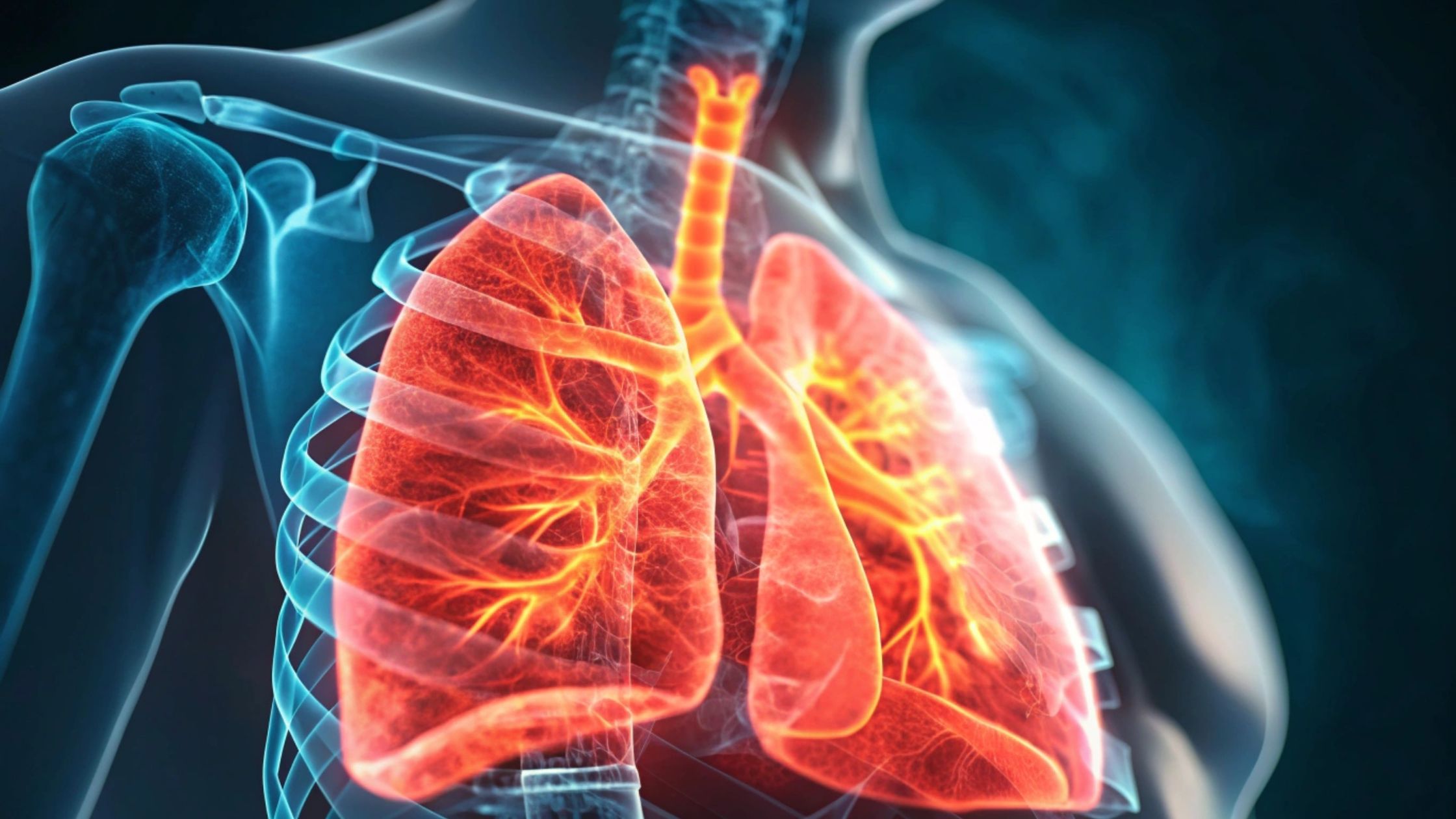
For many people, the effects of pollution on lung health are an everyday reality. People living in high-pollution areas are at a higher risk of developing respiratory diseases, with conditions like asthma, chronic obstructive pulmonary disease, and lung infections becoming more prevalent. These pollutants enter the lungs through the air we breathe, triggering inflammation and causing long-term damage to the delicate tissues responsible for oxygen exchange.
From Inflammation to Lung Cancer: The Effects of Air Pollution
Air pollution significantly impacts lung health, causing both immediate and long-term damage. From irritation in the airways to severe conditions like lung cancer, pollutants can affect the respiratory system in various ways.
A) Increased Inflammation in the Airways
When pollutants such as particulate matter or toxic gases are inhaled, they irritate the respiratory system. This leads to inflammation in the airways, causing symptoms like coughing, wheezing, and shortness of breath. Chronic exposure can worsen inflammation, leading to long-term respiratory issues, including asthma and bronchitis.
B) Impaired Lung Function
Over time, continued exposure to polluted air can reduce lung capacity. Pollutants like PM2.5 can penetrate deep into the lungs, impairing the exchange of oxygen and carbon dioxide in the alveoli. This results in diminished lung function and difficulty breathing, especially during physical activities.
C) Increased Risk of Chronic Respiratory Diseases
Prolonged exposure to poor air quality significantly increases the risk of developing chronic diseases such as chronic obstructive pulmonary disease, emphysema, and lung fibrosis. These diseases occur when pollutants repeatedly damage the lungs, causing irreversible changes in lung structure and function.
D) Weakened Immune Response in the Lungs
The lungs rely on a strong immune system to defend against harmful pathogens and irritants. Pollution compromises the lung’s ability to fight off infections, making individuals more vulnerable to respiratory infections, including pneumonia and bronchitis, especially during high pollution periods.
E) Higher Risk of Lung Cancer
Long-term exposure to air pollution, particularly from sources like tobacco smoke, vehicle emissions, and industrial pollution, has been linked to an increased risk of lung cancer. Pollutants such as benzene and formaldehyde can cause genetic mutations in lung cells, leading to cancerous growth over time.
Air pollution causes chronic respiratory diseases and increases cancer risk. Protecting lung health requires minimizing exposure and seeking prompt care.
Protecting Your Lungs: Simple Steps for Better Health
While pollution can harm your lungs, there are several steps you can take to protect your respiratory system:
- Monitor Air Quality: Check local air quality indexes and avoid outdoor activities on high-pollution days.
- Improve Indoor Air: Use air purifiers and ensure proper ventilation to reduce indoor pollutants.
- Adopt Healthy Habits: Avoid smoking, exercise in clean air, and stay hydrated to support lung function.
- Seek Regular Check-Ups: Get lung health check-ups, especially if you live in a high-pollution area or experience symptoms.
Taking these proactive measures can help protect your lungs from the harmful effects of pollution. Learn more about Nebulisation.
The role of diagnostic care in protecting lung health
Diagnostic care is vital for early detection and prevention of lung issues, especially in polluted environments.
- Diagnostic care allows for early detection of lung issues, helping to prevent long-term damage and ensuring timely treatment.
- Comprehensive tests like spirometry, imaging, and blood panels provide an accurate assessment of lung function and any damage caused by pollution.
- Trusted healthcare providers offer personalized advice based on your lung health and exposure risks, guiding you toward lifestyle changes and preventive measures.
Regular check-ups and personalized care help protect your lungs and minimize the long-term effects of pollution.
Conclusion
Understanding how pollution and air quality directly impact your lung health is crucial for protecting your respiratory system in today’s polluted environment. While some damage is inevitable in highly polluted areas, taking preventive measures can significantly reduce the risks. Regular monitoring, a healthy lifestyle, and proactive diagnostics from trusted healthcare providers can help you maintain healthy lungs for years to come. At Salus Clinics and Diagnostics, we believe that with proper awareness and timely care, you can protect your lung health, even in the face of environmental challenges.
FAQs
Q1: How quickly does pollution affect lung health?
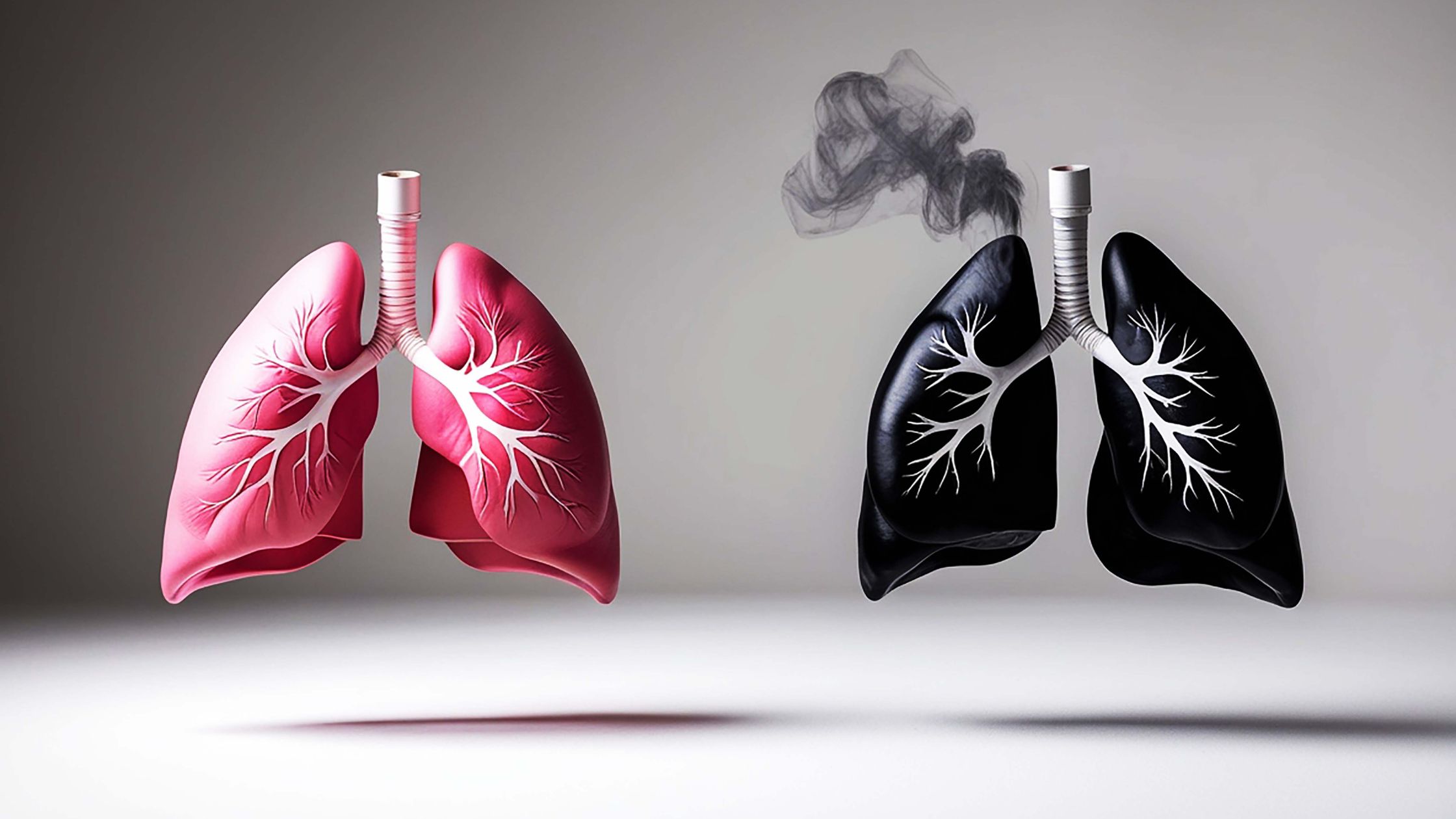
Pollution can cause immediate symptoms like coughing or shortness of breath. Long-term damage, like reduced lung function, develops over years of exposure.
Q2: Can the damage caused by pollution to the lungs be reversed?
Some damage, like inflammation, can improve with reduced exposure, but structural damage, like scarring, is irreversible. Early detection and lifestyle changes help manage symptoms.
Q3: What are the best tests to monitor lung health?
Key tests include spirometry (lung function), chest X-rays, CT scans, and blood tests for inflammation markers.
Q4: How often should I check my lung health if I live in a polluted area?
If living in a polluted area, annual lung function tests are recommended. More frequent check-ups are needed if symptoms like a persistent cough or shortness of breath appear.