
The Essential Role of a Health Care Laboratory in Modern Diagnostics
In today’s fast-paced healthcare environment, quick and accurate diagnoses are crucial for patient care. The health care laboratory plays a vital role in early disease detection, treatment management, and overall patient health by analyzing samples like blood, urine, and tissues. This article explores the importance of health care laboratories, how they work, and their essential role in patient care. In addition, lab testing reduces guesswork for doctors by turning symptoms into measurable evidence. As a result, patients get clearer answers, faster treatment direction, and safer follow-up planning.

What Exactly Is a Health Care Laboratory?
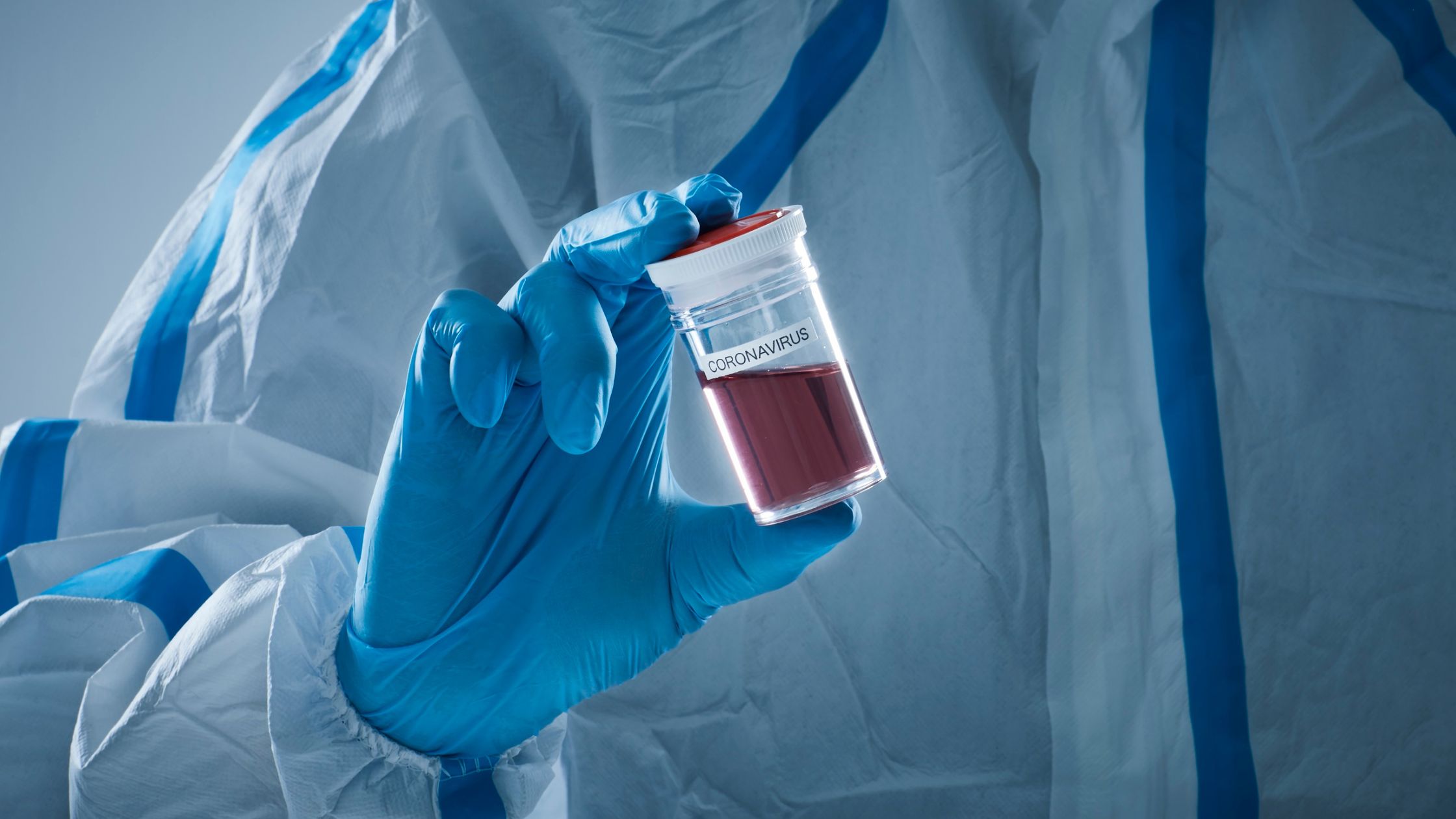
A health care laboratory is a specialized facility where medical samples are analyzed to diagnose, prevent, and monitor various diseases. These labs provide essential data that help healthcare professionals make well-informed decisions about treatment plans. From diagnosing common infections to managing chronic diseases, many conditions are identified through laboratory tests.
Equipped with state-of-the-art technology and staffed by certified medical technologists and pathologists, these labs play a crucial role in ensuring that doctors have the accurate and timely information they need to guide patient care decisions. As a result, clinicians can confirm diagnoses faster, adjust treatment confidently, and monitor progress with fewer delays. In addition, standardized processes and strict quality checks reduce errors and improve consistency across every test.
The Core Functions of a Health Care Laboratory
The role of a health care laboratory goes far beyond just processing blood samples. It acts as the diagnostic backbone of modern healthcare, offering a wide variety of essential services, including:
1. Accurate Diagnosis
The main function of a health care laboratory is to analyze clinical samples for markers that indicate health issues. Tests for infections, cholesterol levels, and blood cell abnormalities provide healthcare providers with accurate data for effective diagnosis.
2. Tracking Chronic Conditions
For patients managing chronic diseases like diabetes, hypertension, or heart disease, laboratory tests are crucial for monitoring their progress. These regular tests provide valuable information that allows doctors to adjust treatment plans as necessary to ensure better outcomes.
3. Preventive Health
Health care laboratories aren’t just about diagnosing illnesses — they also play a key role in prevention. By monitoring biomarkers and evaluating risk factors early on, labs offer insights that help patients take proactive measures to prevent diseases from progressing.
4. Customized Treatment Plans
Modern health care laboratories offer personalized treatment plans by using genetic and specialized tests to identify individual health risks, allowing doctors to tailor strategies to each patient’s needs.
In summary, health care laboratories are crucial for accurate diagnosis, disease management, prevention, and personalized treatment, significantly improving patient outcomes.
Advantages of an Integrated Health Care Laboratory
Salus Specialty Clinics & Diagnostics offers an integrated approach to healthcare by providing both clinical consultations and diagnostic testing all under one roof. This model not only simplifies the care process but also offers several key benefits:
A. Faster Results
When diagnostic tests are conducted on-site, the results are available much more quickly, enabling healthcare providers to begin treatment right away. This is especially important in emergencies where every second counts.
B. Seamless Patient Experience
Patients enjoy the convenience of having their lab tests performed at the same location as their consultations. This reduces stress and minimizes wait times, making the entire healthcare process smoother and more efficient.
C. Comprehensive Care
With access to a full range of medical services — from diagnostics to consultations — patients receive well-rounded care. At Salus Specialty Clinics & Diagnostics, specialists from different fields collaborate, share insights, and coordinate their efforts to create a personalized care plan tailored to each patient’s needs.
D. Better Follow-Up Care
With all medical services housed under one roof, follow-up appointments and lab re-tests can be scheduled quickly, ensuring that patients stay on top of their health and receive continuous care.
This integrated approach not only enhances the efficiency of care but also ensures that patients receive timely, personalized, and comprehensive treatment, promoting better health outcomes.
Tests Performed in a Health Care Laboratory
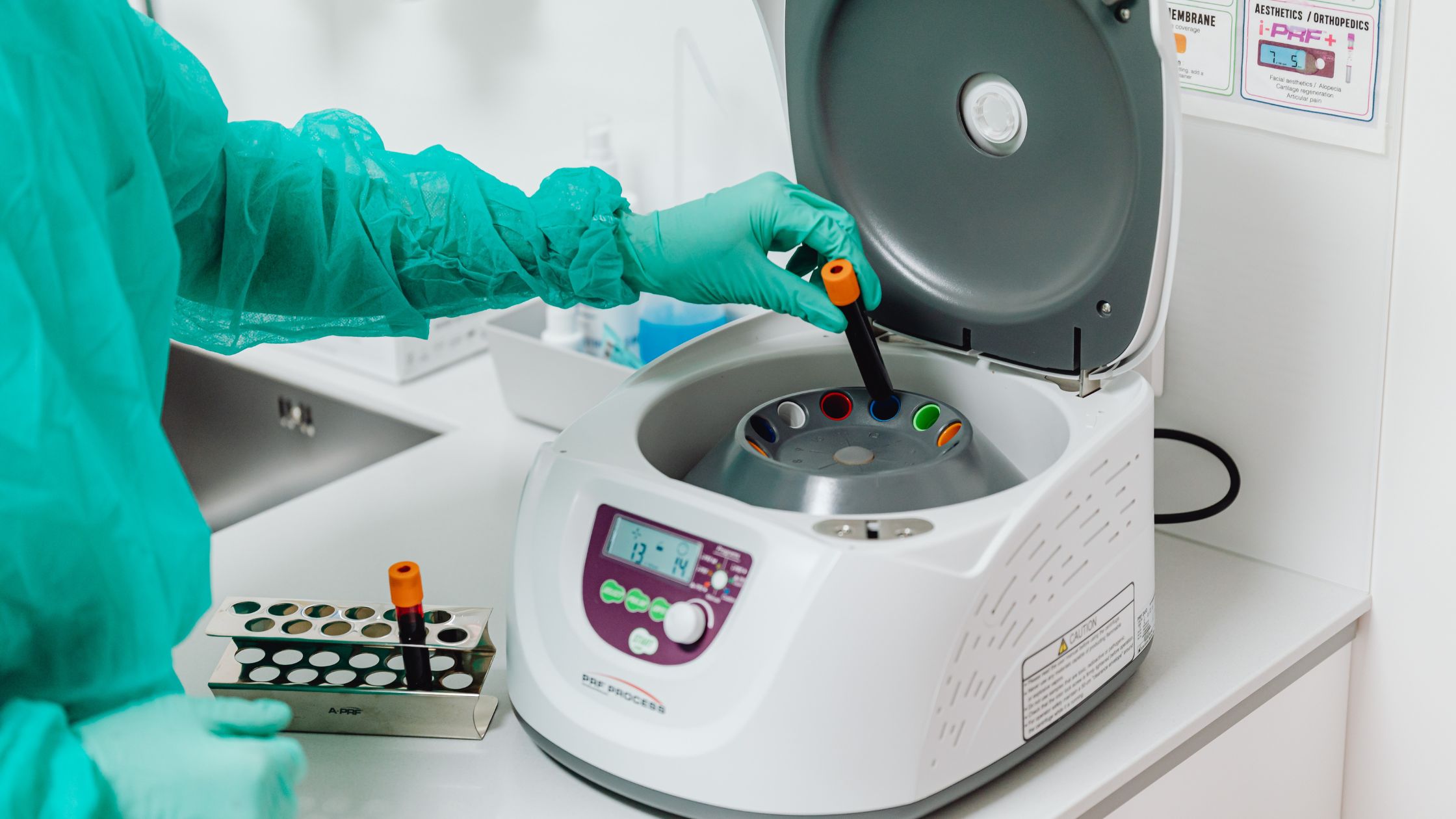
A health care laboratory performs a wide range of tests to aid in diagnosing, monitoring, and preventing diseases. Some of the most common types of tests include:
- Blood Tests: Measure key markers like cholesterol, glucose, and kidney function.
- Urine Analysis: Checks for UTIs, kidney issues, and metabolic disorders.
- Immunology Tests: Identify infections and immune system disorders.
- Genetic Testing: Assesses hereditary risks and inherited conditions.
- Pathology Tests: Detects abnormal cells, infections, and cancer indicators.
Each of these tests provides critical information that helps healthcare providers better understand a patient’s condition, enabling them to make well-informed treatment decisions. Learn more about Complete Blood Test for Overall Health Insights.
How to Choose the Right Health Care Laboratory
Choosing the right health care laboratory is essential for ensuring accurate and timely test results. Here are some key tips to help you make an informed decision:
- Accreditation: Choose an accredited lab to ensure strict quality standards.
- Technology: Modern equipment improves speed and result accuracy.
- Qualified professionals: Certified experts ensure reliable testing and interpretation.
- Turnaround time: Faster results help treatment start sooner.
- Patient support: Clear communication, easy scheduling, and patient-friendly service matter.
By considering these factors, you can confidently choose a health care laboratory that meets your needs, ensuring the best possible outcomes for your health and well-being.
Conclusion
In conclusion, a health care laboratory is a vital part of modern healthcare, offering the essential insights and data needed for accurate diagnoses, effective treatments, and preventive care. With integrated services like those provided by Salus Specialty Clinics & Diagnostics, patients enjoy faster results, comprehensive care, and seamless coordination between specialists and lab professionals. In addition, this connected approach reduces repeat visits and delays because testing and consultations stay aligned in one system. As a result, patients make quicker, clearer decisions with more confidence and continuity of care.