
Interpreting Lab Reports: Guide to What the Numbers Really Mean
When you receive your diagnostic results, it’s natural to feel unsure about the figures and abbreviations. By carefully interpreting lab reports, you can become better informed and thus better prepared for discussions with your healthcare provider. At Salus Clinics & Diagnostics, we believe that patient empowerment starts with clarity — so here’s a practical guide to help you decode your lab report and appreciate what the numbers really mean.

Why Lab Reports Matter
Lab reports provide objective data about your health. They reflect how your body functions — and when you take the time to understand them, you can spot patterns early, ask meaningful questions, and take timely action. While the data alone doesn’t tell the full story, it gives you a starting point. Moreover, by regularly interpreting lab reports, you maintain an ongoing dialogue with your health — rather than waiting until a problem becomes urgent.
Key Sections of a Lab Report and How to Read Them
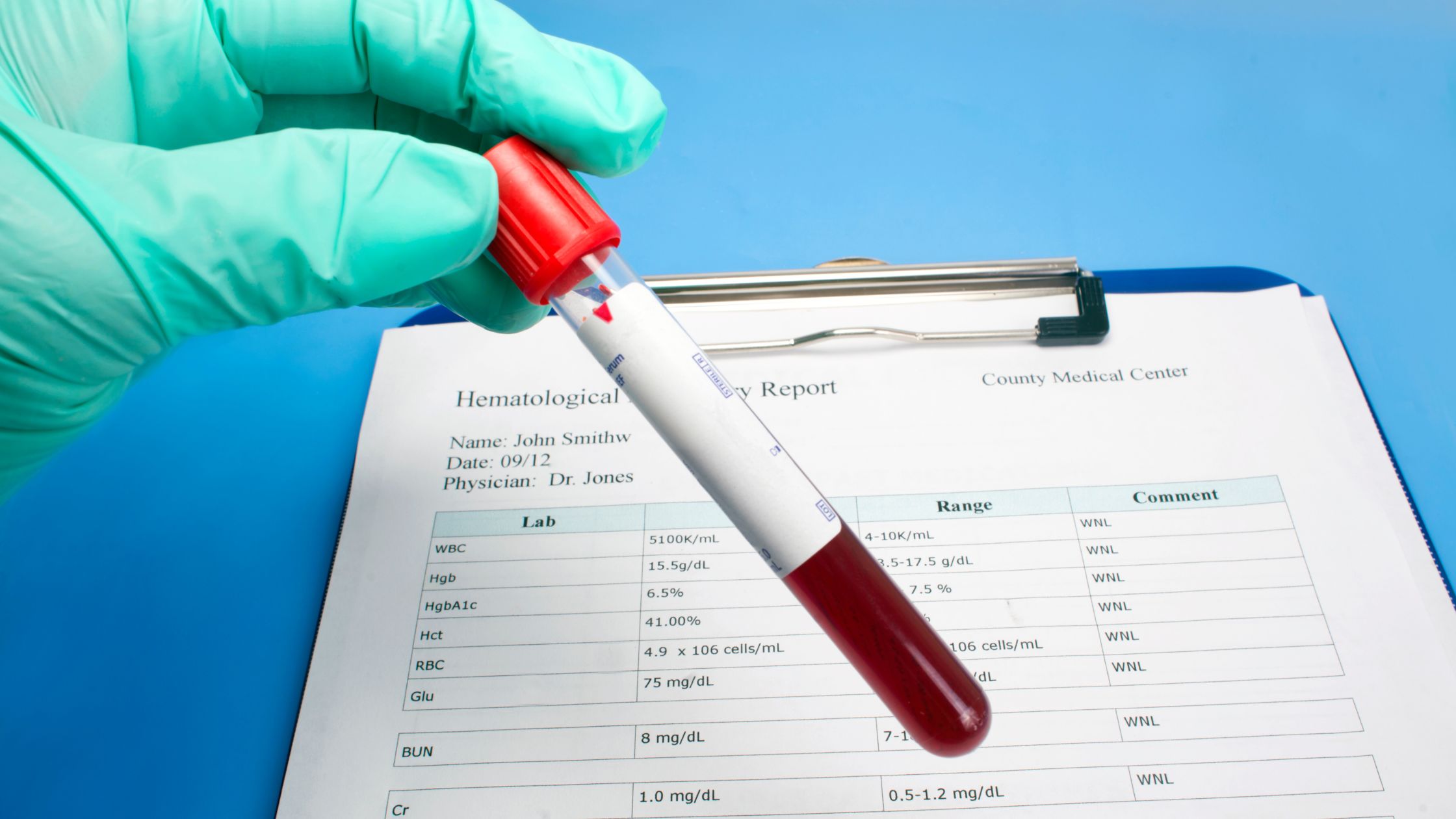
A lab report typically includes your personal info, test name, result, reference range, units, and sometimes a flag (e.g., ‘high’ or ‘low’). Reviewing each section helps you understand what the numbers mean.
a) Result Value vs. Reference Range
Your result is the number you achieved, and the reference range shows where most healthy people fall. If your result falls outside the range, it doesn’t necessarily mean something is wrong — further investigation may be needed.
b) Units of Measurement
Different labs may use different units (for example, mg/dL vs mmol/L). Always check the unit to ensure you compare correctly. If in doubt, consult with your healthcare provider to interpret the results accurately and avoid any confusion caused by unit discrepancies.
c) Flags or Indicators
When marked ‘H’ (high) or ‘L’ (low), flags draw attention but aren’t diagnoses. They signal the need for further tests and consultation to understand the cause. Always follow up with your healthcare provider to gain a complete understanding of your results.
d) Contextual Interpretation
Health history, medications, age, and lifestyle shape the meaning of your numbers. For example, a slightly elevated cholesterol value may have different implications for someone young and active versus someone with risk factors.
Understanding your lab results in context and consulting your healthcare provider ensures accurate interpretation and the best steps for your health.
Common Tests and Their Implications
Here are a few commonly ordered tests and hints about what the numbers really mean:
- Complete Blood Count (CBC): Checks red cells, white cells, and platelets; low red cells may mean anemia, high white cells may signal infection or inflammation.
- Lipid Profile: Measures total cholesterol, LDL, HDL, and triglycerides; high LDL suggests a need for lifestyle changes.
- Blood Glucose (Fasting/Post-prandial): High readings can indicate poor glucose control or diabetes, depending on diet and test timing.
- Liver Function Tests (LFTs): Enzymes like ALT and AST show how well your liver works; mild elevations often mean “monitor,” not immediate disease.
- Kidney Function Tests (Creatinine, BUN): Reflect how efficiently your kidneys filter; abnormal values signal the need for further evaluation, not instant diagnosis.
Understanding these tests in context can help you take the right steps toward better health, with your healthcare provider guiding the way.
Tips for Making Sense of Your Report
A blood test report is more than numbers — it’s a snapshot of your health and a starting point for action.
- Review it promptly: When you get the report, go through each line with your physician.
- Ask targeted questions: For example, “Why is my value outside the reference range?” or “How does this number connect to my lifestyle?”
- Track trends: Individual numbers matter, but so do changes over time. A gradual increase might prompt lifestyle modifications even before a threshold is crossed.
- Don’t interpret a single number in isolation: Instead, focus on the pattern.
- Use trusted diagnostics: At Salus Clinics & Diagnostics, we provide accurate, timely test results — helping you take control of your health with confidence.
Understanding your results and working with your healthcare provider helps you make informed decisions and take proactive steps for long-term health. Learn more about How to Prepare for Your Diagnostic Test.
Why Choose Salus Clinics & Diagnostics for Your Lab Needs?
At Salus Clinics & Diagnostics:
- We deliver comprehensive, high‑precision diagnostics with fast turnaround times.
- We host a team of expert technicians and physicians who guide you through your results and help you understand what the numbers really mean.
- Our facility emphasizes patient comfort and clarity, so you’re not left guessing after your appointment.
When you partner with Salus Clinics & Diagnostics, you get more than test results — you get the knowledge needed to take proactive steps toward better health. Learn more
Conclusion
In short, interpreting lab reports equips you with meaningful insight into your health. By understanding what the numbers really mean, you engage more effectively with your healthcare provider and steer your wellness journey intentionally. This understanding empowers you to make informed decisions and take proactive steps toward better health. For accurate diagnostics and expert guidance, trust Salus Clinics & Diagnostics, your partner in clarity and care.

FAQs
- How soon will I receive my lab report?
At Salus Clinics & Diagnostics, most standard tests return results within 24‑48 hours. Some specialized tests may take longer depending on complexity.
- What should I bring when I come for testing?
Please bring a valid photo ID, your referral (if any), and any previous reports you have. This helps in comparing results and understanding trends.
- If a result is flagged “high” or “low,” does that mean I have a disease?
Not necessarily. The flag indicates your value falls outside the reference range. It means you should discuss with your physician and consider lifestyle, context, and possibly repeat testing.
- Can I get an explanation of my report from the laboratory staff?
At Salus Clinics & Diagnostics, we encourage questions. Our staff will help you understand your results, but your physician will provide a full diagnosis based on your overall health.