
Understanding Breast Pain and Which Specialist Doctor to Consult
Breast pain, medically known as mastalgia, affects many women at some point in their lives. In most cases, it is harmless and may result from hormonal changes, lifestyle factors, or minor injuries. However, it is important to know when the pain might signal a more serious issue and when to consult a specialist. This article will help you understand which specialist doctor to consult for breast pain, explain the reasons for seeking medical advice promptly, and guide you toward maintaining healthy breasts.

Understanding Breast Pain
Breast pain generally falls into two main categories:
I. Cyclic Mastalgia
This type of pain is linked to the menstrual cycle and usually causes a feeling of tenderness, fullness, or heaviness in both breasts. It often comes and goes depending on hormonal changes during your cycle.
II. Non-Cyclic Mastalgia
This pain is not related to your period and is often localized to a specific area in one breast. It can result from factors like injury, inflammation, or other underlying conditions.
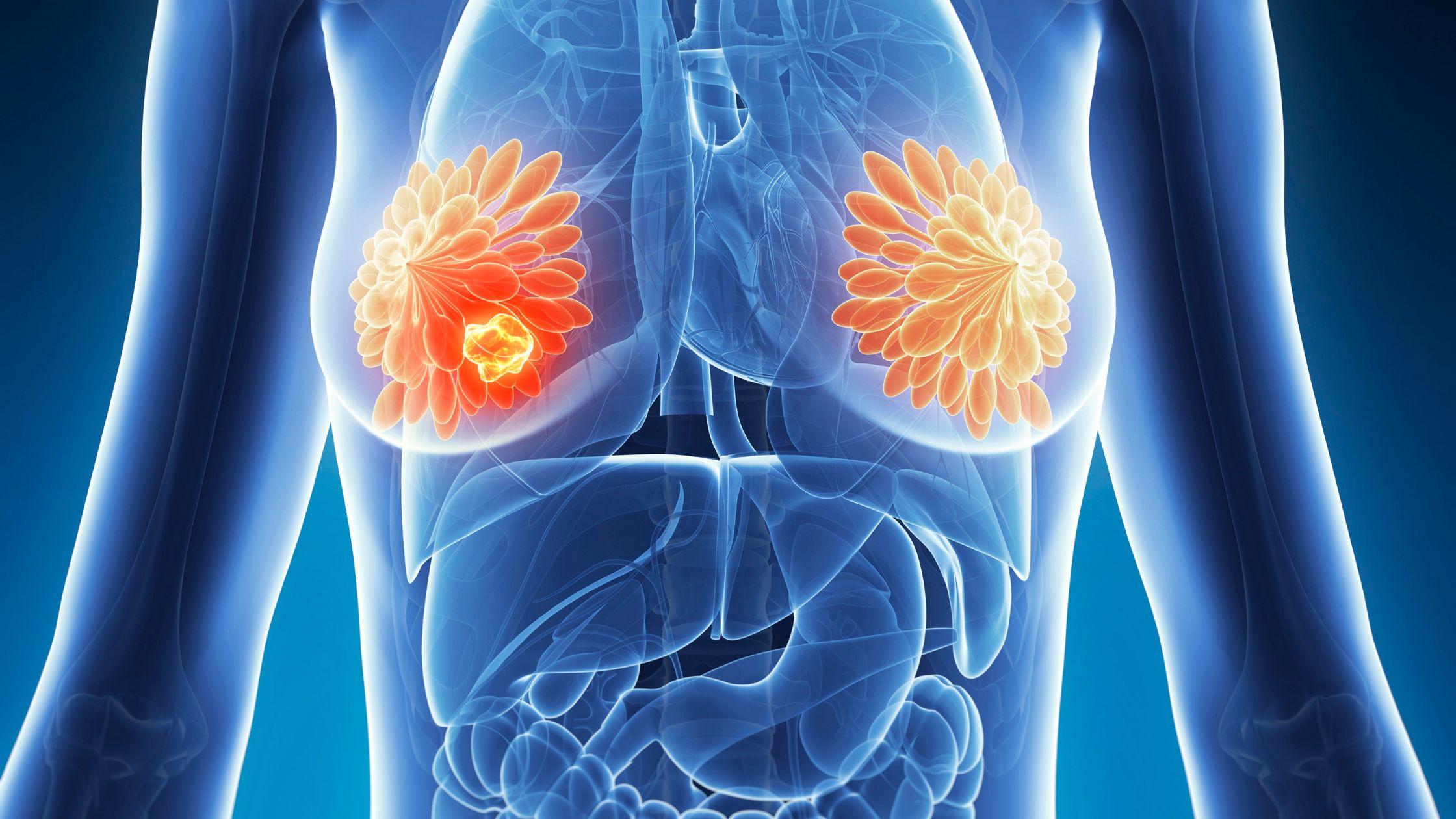
Breast pain can be caused by hormonal changes, fibrocystic changes, infections, or trauma. While most cases are harmless, persistent or severe pain should be evaluated, as it may indicate a serious condition like breast cancer. Learn more about Medical Specialist Clinic.
When to Seek Medical Attention
You should consider seeing a healthcare professional if you notice any of the following:
- Breast pain that is persistent or unusually severe.
- Pain that is focused in one specific area of the breast.
- Pain accompanied by a lump, changes in the skin, or unusual nipple discharge.
- Pain that affects your daily activities or quality of life.
Consulting a doctor early can help identify the underlying cause of your breast pain and ensure you receive the right treatment promptly.
Specialists to Consult for Breast Pain
If you’re experiencing breast pain, it’s essential to seek advice from the right professionals. Here’s a list of specialists who can provide the guidance and care you need:
1. General Practitioner (GP) or Family Physician
Your first step should usually be visiting a GP or family doctor. They can review your medical history, perform a physical exam, and evaluate your symptoms. If needed, they can refer you to a specialist for further care.
2. Obstetrician-Gynecologist (OB-GYN)
OB-GYNs focus on women’s health and are well-equipped to handle breast issues, especially those related to hormones, menstruation, or menopause. They can help manage cyclical breast pain and suggest suitable treatment options.
3. Breast Specialist or Surgeon
If your GP or OB-GYN finds anything that needs more specialized attention, they may refer you to a breast specialist or surgeon. These doctors are trained to diagnose and treat a wide range of breast conditions, including both non-cancerous and cancerous issues.
4. Radiologist
When imaging tests are necessary, a radiologist who specializes in breast imaging can perform mammograms, ultrasounds, or MRIs. These tests help detect abnormalities in the breast tissue and guide further treatment.
5. Oncologist
If there is a suspicion or diagnosis of breast cancer, an oncologist will become part of your care team. They specialize in cancer treatment and will guide you through surgery, chemotherapy, radiation, or other therapies as needed.
Diagnostic Approach
When you consult a specialist, they may suggest several steps to find out what’s causing your breast pain:
- Medical History Review: The doctor will ask about your menstrual cycle, any medications you take, and your family history of breast conditions.
- Physical Examination: They will carefully examine your breasts to check for lumps, tenderness, or other changes.
- Imaging Tests: Depending on your situation, they may recommend mammograms, ultrasounds, or MRIs to get a detailed view of your breast tissue.
- Biopsy: If they find a suspicious area, a small sample of tissue may be taken for further testing to determine if it’s benign or requires treatment.
Treatment Options
The treatment for breast pain depends on its underlying cause. Some common approaches include:
- Hormonal Therapy: If the pain is linked to hormonal changes, your doctor may suggest options such as oral contraceptives or hormone replacement therapy.
- Pain Relief with NSAIDs: Over-the-counter medications like ibuprofen or naproxen can help reduce discomfort.
III. Supportive Measures: Simple steps like wearing a properly fitted bra or using warm or cold compresses can bring relief.
- Surgical Intervention: In cases of benign conditions like fibroadenomas, surgery may be recommended to remove the lump.
- Cancer Treatment: If breast cancer is detected, treatment may involve surgery, chemotherapy, radiation therapy, or targeted therapies, depending on the diagnosis.
By following the right treatment plan, most women can manage breast pain effectively and improve their quality of life.
Preventive Measures
Although not all breast pain can be prevented, adopting certain lifestyle habits may help reduce discomfort and support breast health:
-
Regular Exercise
Engaging in physical activity regularly not only improves overall health but also helps maintain hormonal balance, which can reduce the likelihood of breast discomfort.
-
Balanced Diet
Consuming a diet rich in fruits, vegetables, whole grains, and lean proteins supports hormonal health and may help lower inflammation, which can contribute to breast pain. Staying hydrated and limiting processed foods can also make a difference.
-
Proper Supportive Garments
Wearing a well-fitted bra provides adequate support to the breasts, reducing strain and discomfort, especially during exercise or daily activities.
-
Regular Screenings
Performing monthly self-breast exams and scheduling routine mammograms or clinical check-ups can help detect any unusual changes early.

Conclusion
Breast pain is a common concern that can usually be managed effectively with the right care. Seeing the appropriate specialist ensures an accurate diagnosis and a treatment plan tailored to your needs. If you are experiencing breast pain, it’s important to seek medical attention without delay.
For comprehensive breast health services, Salus Clinics and Diagnostics provides a wide range of diagnostic and consultation options. Their experienced team is committed to delivering high-quality care and addressing all your breast health concerns. To learn more or schedule an appointment, visit Salus Specialty Clinics & Diagnostics.