
Early Disease Detection: The Smart Way to Protect Your Health
Early Disease Detection plays a critical role in modern healthcare because it allows doctors to identify potential health issues before they become serious. Today, people face increasing lifestyle-related risks, and therefore, proactive health monitoring has become essential. Instead of waiting for symptoms to appear, individuals now prefer early screenings to stay ahead of diseases.
Moreover, early diagnosis not only improves treatment success rates but also reduces long-term healthcare costs. With advancements in diagnostic technology, healthcare providers can now detect even minor abnormalities quickly and accurately. As a result, patients can take timely action and maintain better overall health.

Why Early Disease Detection Matters More Than Ever
Early Disease Detection is important because it helps identify health problems at an initial stage when they are easier to manage. In many cases, diseases such as diabetes, heart conditions, and infections develop silently without noticeable symptoms.
Therefore, regular screenings become essential. When doctors detect a disease early, they can start treatment immediately, which improves recovery outcomes. Additionally, early detection reduces the risk of complications and helps patients avoid invasive procedures.
Furthermore, preventive healthcare empowers individuals to take control of their well-being. Instead of reacting to illness, they can actively work toward maintaining long-term health. Learn more about Smart Healthcare.
How Diagnostic Centers Enable Early Disease Detection
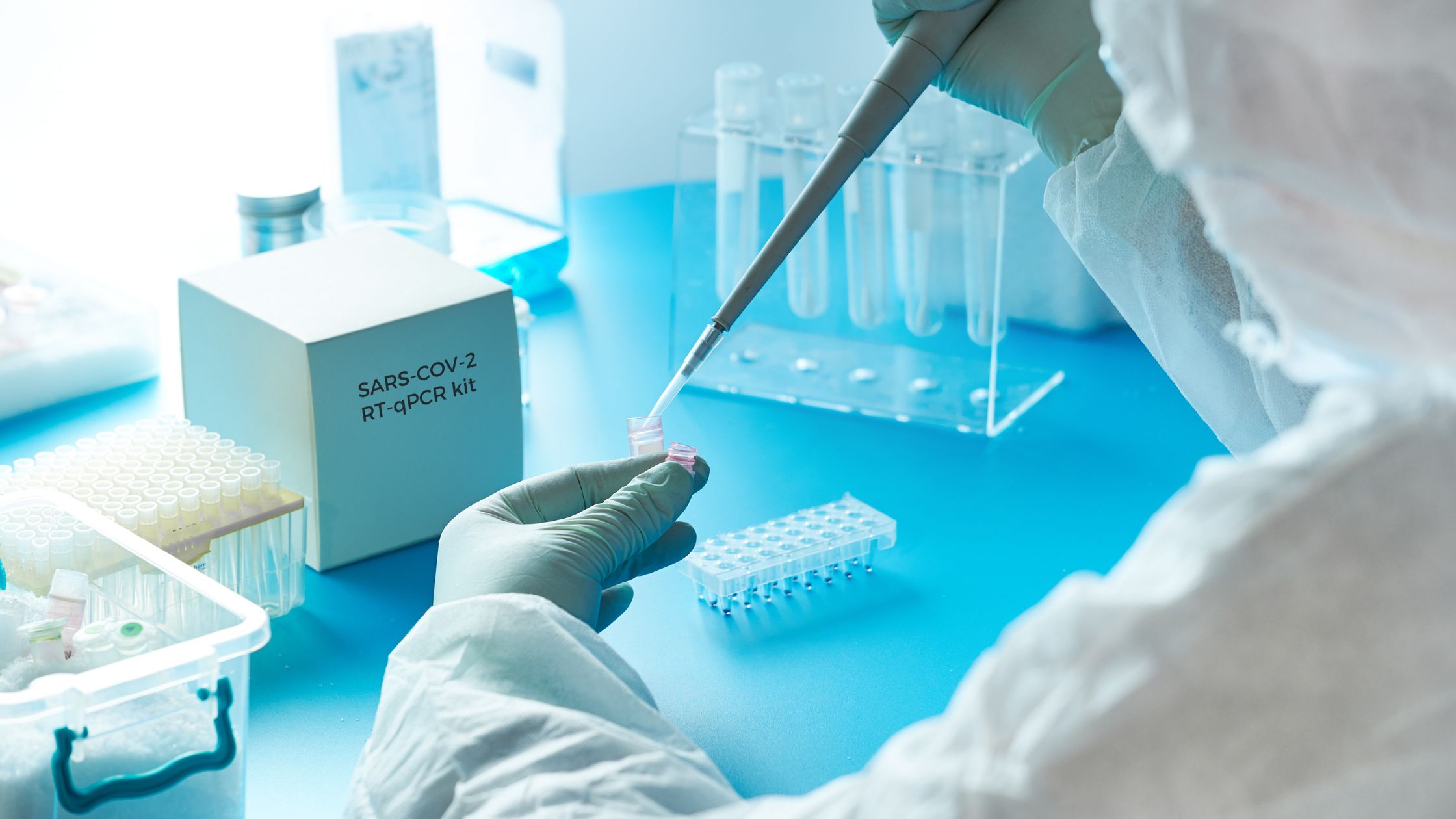
Modern diagnostic centers support Early Disease Detection through advanced testing, expert consultations, accurate reporting, and high-quality lab standards for timely and reliable treatment planning.
- Multi-specialty consultations support faster and more accurate health assessments.
- Advanced diagnostic tools improve early identification of hidden conditions.
- Blood tests and imaging reveal important internal health changes.
- Centralized laboratories maintain high-quality standards for reliable results.
- Precise reports help doctors plan timely and effective treatments.
Together, these services make modern diagnostic centers essential for proactive healthcare, helping patients detect risks early and move forward with greater confidence and clarity.
Key Tests That Support Early Disease Detection
Early Disease Detection relies on a range of diagnostic tests that evaluate different aspects of health. Each test serves a specific purpose and contributes to a complete health assessment.
1. Blood Tests
Blood tests help detect infections, diabetes, cholesterol levels, vitamin deficiencies, hormonal imbalances, and organ function issues. They provide a detailed overview of internal health and overall body functioning.
2. ECG (Electrocardiogram)
An ECG monitors heart activity and helps detect cardiac abnormalities, rhythm disturbances, and early warning signs of possible heart-related conditions before they become more serious over time.
3. Imaging Tests
Ultrasound and radiology scans identify structural issues within the body, enabling early diagnosis of various conditions and supporting more accurate medical evaluation, treatment planning, and follow-up care decisions.
4. Preventive Health Checkups
Comprehensive health packages combine multiple tests to assess overall health, identify hidden risks, monitor vital functions, and support timely medical intervention for better long-term wellness outcomes.
By combining these tests, healthcare providers ensure a holistic approach to Early Disease Detection, improving accuracy, prevention, treatment planning, and long-term health outcomes.

Advantages of Early Disease Detection
Early Disease Detection offers multiple advantages that improve both health outcomes and quality of life.
- Improved Treatment Success: Doctors can treat diseases more effectively when they diagnose them early. This increases the chances of full recovery.
- Reduced Healthcare Costs: Early treatment prevents complications, which reduces the need for expensive medical procedures later.
- Better Quality of Life: Patients can maintain a healthier lifestyle by addressing health issues before they worsen.
- Preventive Care Approach: Regular screenings help individuals stay informed about their health and make better lifestyle decisions.
Overall, early detection creates a stronger foundation for healthier living by enabling timely care, reducing risks, and supporting long-term physical well-being.
The Role of Technology in Early Disease Detection
Technology has transformed Early Disease Detection by making diagnostics faster, more accurate, and more accessible. Advanced equipment now enables healthcare providers to detect diseases at a very early stage.
For example, digital lab reporting allows patients to access results quickly and conveniently. Additionally, modern diagnostic centers use state-of-the-art tools to ensure precision in testing.
Moreover, integrated healthcare systems bring multiple services together, which simplifies the diagnostic process and improves coordination between specialists.
When Should You Consider Early Disease Detection?
You should consider Early Disease Detection even if you feel healthy, because many diseases do not show symptoms in the early stages.
However, certain situations make it even more important:
- If you have a family history of chronic diseases.
- If you experience unexplained fatigue or discomfort.
- If you follow a sedentary lifestyle.
- If you are above 30 years of age.
Regular checkups help identify risks early and prevent serious health complications.
Choosing the Right Diagnostic Center
Selecting the right diagnostic center is essential for effective Early Disease Detection. You should look for a facility that offers:
- Advanced diagnostic equipment.
- Experienced healthcare professionals.
- Comprehensive health checkup packages.
- Accurate and timely reporting.
A well-equipped diagnostic center ensures reliable results and better healthcare outcomes.
The Future of Early Disease Detection
The future of Early Disease Detection looks promising because healthcare continues to evolve rapidly. New technologies, smarter diagnostic tools, and improved testing methods will make early diagnosis even more accurate, efficient, and accessible.
Furthermore, preventive healthcare awareness is increasing, which encourages more people to prioritize regular health checkups and timely screenings. As a result, early detection will become a standard part of healthcare routines and support better long-term health management for everyone.
Conclusion
Early Disease Detection is no longer optional—it is essential for maintaining long-term health and preventing serious medical conditions. By identifying health issues at an early stage, individuals can take timely action and improve their quality of life.
If you are looking for reliable and comprehensive diagnostic services, Salus Clinics and Diagnostics stands out as a trusted choice. With advanced technology, expert care, and accurate testing, it ensures a complete approach to Early Disease Detection and overall wellness.