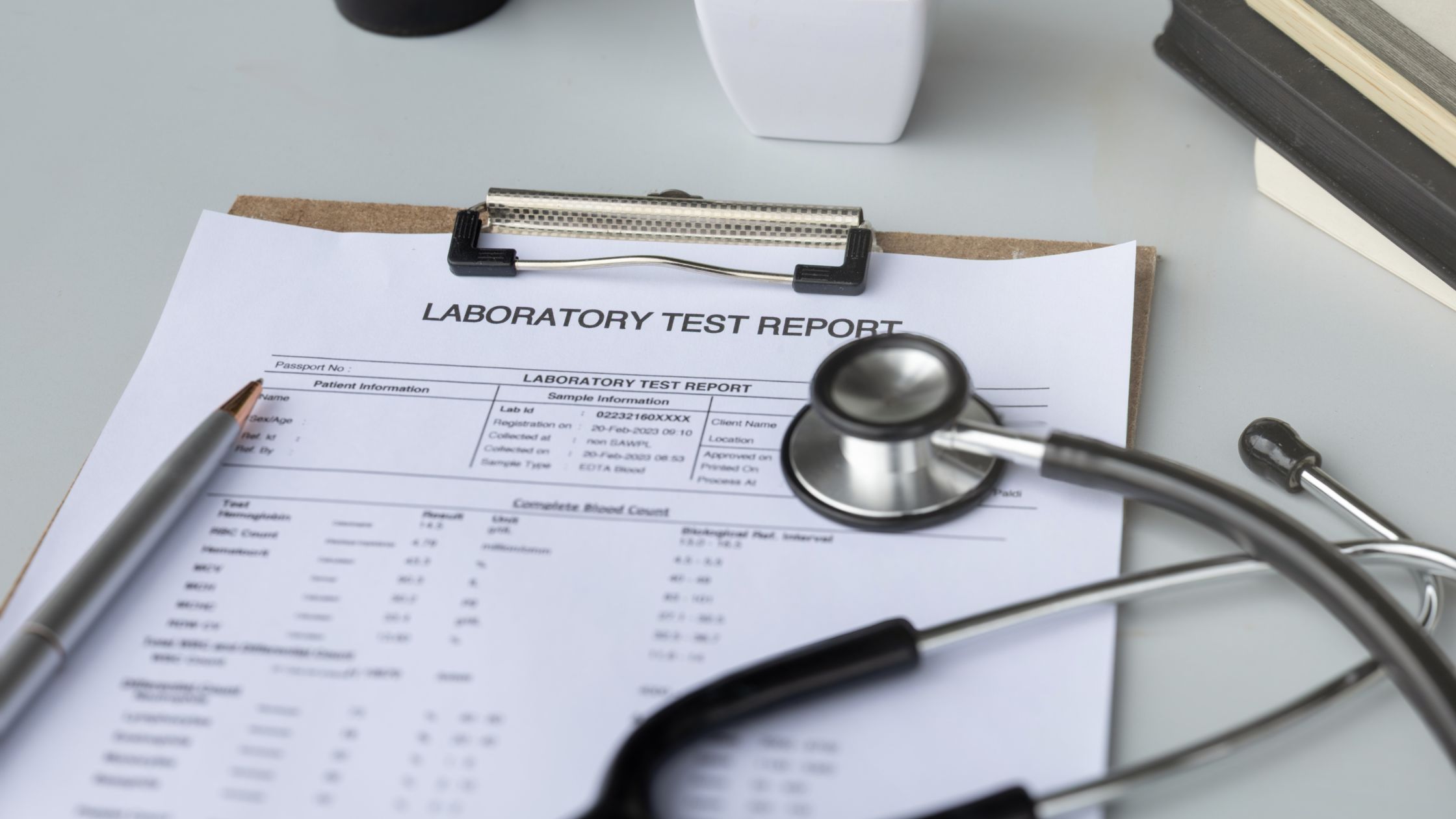
Routine Health Tests in Domlur: A Guide to Preventive Care
People often delay health checkups because daily life feels busy. However, small internal changes often start silently. Therefore, routine testing helps you detect early shifts, confirm what your body signals, and reduce health uncertainty. You also build a baseline, so future results become easier to understand. Moreover, regular testing supports better decisions, because you act on trends instead of guessing.
Many residents look for Routine health tests in Domlur when they want reliable preventive screening close to home. So, this guide explains what to test, how to choose test groups, how to prepare, and how to respond to reports in a calm and structured way.

Why Routine Testing Beats “Waiting for Symptoms”
Symptoms can appear late, and they can also overlap across multiple conditions. Therefore, symptom-only testing often delays clarity. Additionally, many lifestyle-driven issues—such as sugar drift, cholesterol imbalance, vitamin deficiency, and thyroid changes—develop gradually. Consequently, routine testing helps you spot patterns early and adjust before complications grow.
At the same time, you should avoid random test bundles. Instead, you should choose tests based on age, family history, lifestyle, and existing medical conditions. This approach improves accuracy and reduces confusion.
The Foundational Tests Most Adults Can Start With
You can begin with a core set, and you can add targeted tests only when you need them. This method keeps your plan simple, affordable in time, and clinically meaningful.
1) Complete Blood Count (CBC)
A CBC helps you track anemia patterns, infection signals, and platelet trends. Additionally, it supports evaluation when you feel fatigue, weakness, or frequent illness. As a result, you gain an early clue about deficiency or inflammation.
2) Blood Sugar Screening
Fasting blood sugar and HbA1c help you understand glucose control. HbA1c shows an average pattern over weeks, so it helps you identify risk even when fasting values look borderline. Therefore, you avoid missing early metabolic changes.
3) Lipid Profile
A lipid profile tracks total cholesterol, LDL, HDL, and triglycerides. Therefore, it helps you evaluate heart risk factors and lifestyle impact. Moreover, it helps your doctor recommend practical changes based on measurable trends.
4) Kidney Function Markers
Kidney-related markers help you understand filtration trends and hydration shifts. Additionally, they support safe medication planning, especially when you take long-term medicines. Consequently, you reduce the risk of silent kidney strain.
5) Liver Function Markers
Liver markers help identify patterns related to fatty liver risk, medication strain, or metabolic stress. Therefore, they support timely lifestyle correction, early intervention, and follow-up planning when needed.
Regular testing helps identify health risks early, ensuring proactive care and informed decisions for better long-term wellness.
Add-on Tests You Should Choose Based on Risk and Symptoms
You do not need every test every time. However, you should add focused modules when your body signals a concern or your risk profile changes.
A) Heart and Blood Pressure Module
Blood pressure tracking supports routine screening as it often stays silent until it becomes serious. An ECG helps evaluate palpitations, chest heaviness, or exertional breathlessness, reducing guesswork and improving clarity.
B) Thyroid Module
A thyroid test often starts with TSH, with additional markers based on symptoms. Consider screening if you have unexplained weight change, persistent fatigue, temperature intolerance, hair thinning, or cycle irregularity.
C) Vitamin and Deficiency Module
Vitamin D, B12, and iron studies can help when you experience chronic fatigue, tingling, cramps, hair shedding, or restricted dietary patterns. Therefore, you avoid blind supplementation and correct the true deficiency.
D) Infection-Focused Testing Module
You should test when symptoms persist, worsen, or repeat over time. Moreover, focused testing works better than broad panels because your doctor matches tests to symptom location, duration, and severity.
Targeted testing helps ensure more accurate diagnoses, enabling timely intervention and personalized care for better health outcomes.

How Often Should You Do Routine Tests?
Frequency depends on your baseline and your risk factors. Therefore, you should use this practical rhythm:
- Once a year for general preventive screening in stable adults.
- Every 6 months, track borderline sugar, cholesterol, stress, or weight change.
- Every 3 months, if your doctor monitors a known condition or its impact.
However, your last report should guide your next schedule. Consequently, stable results support longer gaps, while shifting trends justify earlier follow-up.
How to Prepare for Routine Testing so Results Stay Accurate
Preparation improves test accuracy, and it also prevents repeat visits. So, you should follow these steps:
- Confirm if your test requires fasting or not.
- Drink normal water amounts, as dehydration can distort readings.
- Avoid heavy workouts before testing, as muscle strain affects markers.
- Share all medicines and supplements, as they affect results.
- Choose morning slots for fasting tests for consistency.
These steps keep your results clean and dependable, and they also help your doctor interpret trends with confidence, so your next decision feels clear and timely. Learn more about Complete Primary Care in Bangalore for Long-Term Health.
Choosing the Right Clinic for Routine Testing in Domlur
You should prioritize consistency and clinical coordination. Therefore, you should look for:
- Clear guidance on fasting, preparation, and timelines.
- A clean and organized sample collection flow.
- Access to common diagnostic services under one roof.
- A consultation pathway when results need explanation.
- Staff support that answers questions calmly and clearly.
This structure improves your experience, and it also improves outcomes, because you follow through more consistently.
Conclusion
Routine testing protects you best when you keep it simple, repeatable, and guided by risk. Therefore, you should build a baseline, track trends, and respond with calm steps. If you want coordinated preventive screening support in Domlur, you can reach out to Salus Clinics and Diagnostics for routine testing and diagnostic guidance. You also gain better clarity on lifestyle impact, reduce unnecessary worry, and make smarter decisions with your doctor, because consistent reports show what is changing and what is stable over time.